Buy kleinteile.eu ?
We are moving the project
kleinteile.eu .
Are you interested in purchasing the domain
kleinteile.eu ?
domain@kv-gmbh.de · 0541-91531010
Buy kleinteile.eu ?
Is ammonia polyprotic or monoprotic?
Ammonia is a monoprotic base, meaning it can donate only one proton (H+) in a chemical reaction. This is because ammonia has only one nitrogen atom that can accept a proton to form the ammonium ion (NH4+). Therefore, ammonia is considered monoprotic. **
What are monoprotic and polyprotic acids?
Monoprotic acids are acids that can donate only one proton (hydrogen ion) per molecule when they dissociate in water. Examples include hydrochloric acid (HCl) and acetic acid (CH3COOH). Polyprotic acids, on the other hand, are acids that can donate more than one proton per molecule when they dissociate in water. Examples include sulfuric acid (H2SO4) and phosphoric acid (H3PO4). **

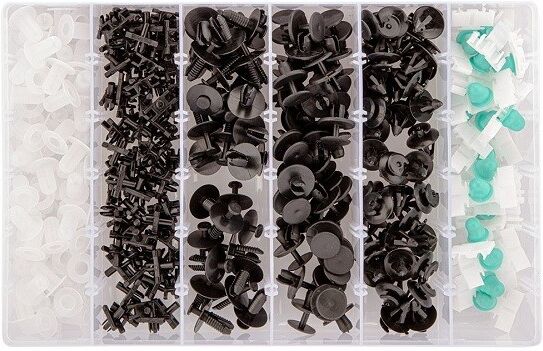
Similar search terms for Polyprotic
Top-Angebote
Products related to Polyprotic:
-
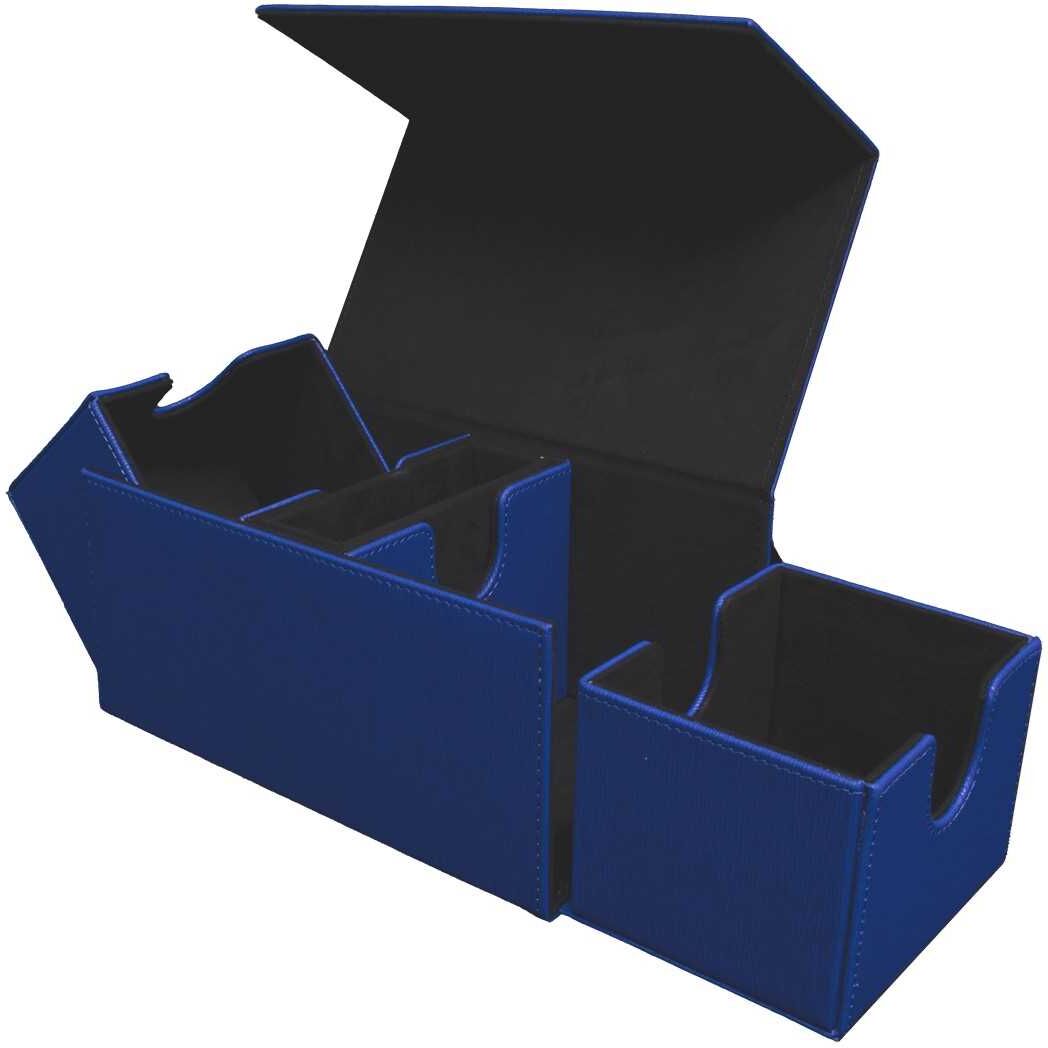
Legion Supplies Legion Sentinel Duo - Blue for Card Game AccessoriesKeep your trading-card decks organised and protected with the Legion Sentinel Duo in blue. This sturdy deck box is designed for players who want convenient storage for multiple sleeved card decks, plus space for essential game accessories. The Legion Sentinel Duo features two separate compartments, each accommodating up to 100 double-sleeved cards. A central compartment provides room for tokens, dice, and other small accessories. The removable insert lets you adjust the central storage area to suit your setup. The textured vinyl exterior provides durable everyday protection, while the smooth interior helps protect cards and sleeves during storage. The magnetic lid keeps the box securely closed between games. Grip cut-outs make it easier to remove decks from the compartments. With its dual-deck layout and flexible central storage, the Sentinel Duo is a practical choice for organised tabletop gaming and card collection storage.42,99 £*Shipping: 3,95 £Secure redirect to the provider
-
Rare Purchases Professional Stainless Steel Hammer Head, Multi Function Durable Hand Hammer Tools Accessories For DIY Hardware 6 Page HeadUpgrade your toolbox with a Stainless Steel Hammer Head designed for serious performance, long term durability, and everyday reliability. Whether you are a professional tradesperson or a dedicated DIY enthusiast, this Multi function Hammer Head...159,97 $*Shipping: 0,00 $Secure redirect to the provider
-
Inspire Daily Merch Fish Tank Cartoon Magic Jewelry, Cake Decoration, Aquarium Accessories, Fish Farming Supplies Fish Tank Cartoon Magic Jewelry, Cake Decoration, Aquarium Accessories, Fish Farming SuppliesTransform Your Fish Tank with Cartoon Magic Decorations Add a touch of whimsy to your fish tank with this Cartoon Magic Jewelry. This Fish Tank Decoration features a suspended design that creates a unique visual effect in your aquarium, making it a...32,97 $*Shipping: 0,00 $Secure redirect to the provider
-
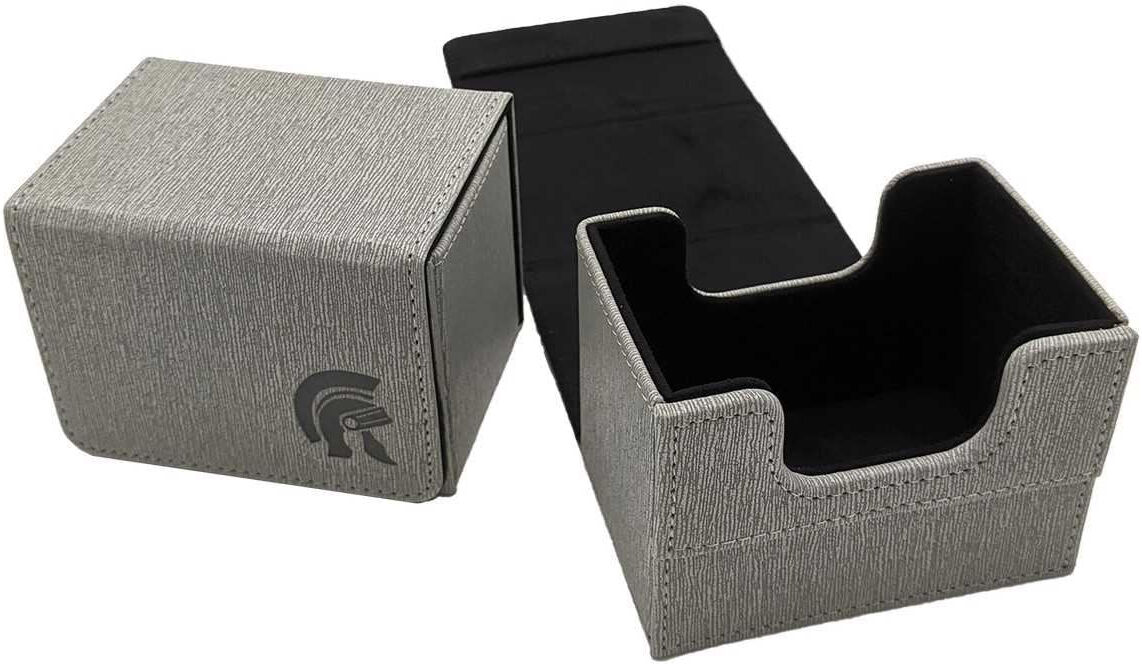
Legion Supplies Legion Sentinel Deck Box 80 - Grey for Card Game AccessoriesProtect your trading card deck with the Legion Sentinel Deck Box 80. This grey deck box is designed to hold up to 80 double-sleeved cards, making it perfect for storing a complete deck and keeping cards together between games or during transport. The durable textured vinyl outer cover provides a sturdy layer of protection, while the soft, smooth interior helps prevent cards and sleeves from catching as they are placed inside or removed. A strong magnetic lid with a stepped closure helps keep the box securely shut and reduces the chance of the lid sliding open. The compact design features easy-grip cut-outs, making it simpler to lift cards from the box when you're ready to play. The Legion Sentinel Deck Box 80 is suitable for tabletop gaming collections, whether used at home, at events, or alongside other deck boxes.15,99 £*Shipping: 3,95 £Secure redirect to the provider


-
How do I recognize a mono- or polyprotic acid?
A monoprotic acid is an acid that can donate only one proton (hydrogen ion) per molecule, such as hydrochloric acid (HCl) or acetic acid (CH3COOH). On the other hand, a polyprotic acid is an acid that can donate more than one proton per molecule, such as sulfuric acid (H2SO4) or phosphoric acid (H3PO4). One way to recognize a polyprotic acid is by looking at the chemical formula and identifying the presence of multiple hydrogen atoms that can potentially be donated as protons. Additionally, the acid's name may also provide a clue, as polyprotic acids often have prefixes such as di- or tri- to indicate the number of protons that can be donated. **
-
Why is the second dissociation stage weaker in polyprotic acids?
The second dissociation stage is weaker in polyprotic acids because after the first proton is removed, the remaining ion has a higher negative charge, making it more difficult to remove the second proton. This increased negative charge leads to stronger electrostatic attraction between the remaining ion and the proton, making it harder for the second proton to dissociate. Additionally, the second dissociation occurs at a lower pH, where the concentration of H+ ions is lower, further reducing the likelihood of the second dissociation. Overall, these factors contribute to the weaker second dissociation stage in polyprotic acids. **
-
Can someone explain the meaning of monoprotic and polyprotic to me?
Sure! Monoprotic and polyprotic refer to the number of protons that can be donated by an acid. Monoprotic acids can donate one proton, while polyprotic acids can donate more than one proton. For example, hydrochloric acid (HCl) is monoprotic because it can donate one proton, while sulfuric acid (H2SO4) is polyprotic because it can donate two protons. This distinction is important in understanding the behavior and properties of different acids in chemical reactions. **
-
How can I tell if an acid is monoprotic or polyprotic?
You can determine if an acid is monoprotic or polyprotic by looking at its chemical formula. If the formula contains only one hydrogen ion (H+), then the acid is monoprotic. However, if the formula contains more than one hydrogen ion, then the acid is polyprotic. Additionally, you can also look at the acid's chemical structure and its ability to donate multiple hydrogen ions to determine if it is polyprotic. **

How do you calculate the concentration of a polyprotic acid through titration?
To calculate the concentration of a polyprotic acid through titration, you would first need to determine the equivalence point of the titration by using an indicator or a pH meter. Then, you would use the volume of titrant (such as a strong base) needed to reach the equivalence point and the known molarity of the titrant to calculate the moles of acid present. Since polyprotic acids can donate multiple protons, you would need to consider the number of moles of protons donated by the acid and the stoichiometry of the acid-base reaction to calculate the concentration of the polyprotic acid. **
How can the concentration of a polyprotic acid be determined by titration?
The concentration of a polyprotic acid can be determined by titration using a strong base. Since polyprotic acids can donate multiple protons, the titration curve will have multiple equivalence points, corresponding to the different dissociation steps of the acid. By monitoring the pH during the titration, the inflection points on the curve can be used to calculate the concentration of the acid. The volume of the base required to reach each equivalence point can also be used to determine the molar concentration of the acid. **
Top-Angebote
Products related to Polyprotic:
-
KS TOOLS 120.1050 Pipe Bending EquipmentDiameter [inch]: 1/8, 3/16, 1/4; Diameter: 3,0, 4,75, 6,0; Material: Copper, Brass, Steel Pipe, Tool Steel; Bending Radius up to [°]: 90; Thread Type: with metric thread, with inch thread; Total Length [mm]: 140,0; Weight [g]: 150; Length [mm]: 14021,49 £*Shipping: 8,45 £Secure redirect to the provider
-
Legion Supplies Legion Sentinel Duo - Blue for Card Game AccessoriesKeep your trading-card decks organised and protected with the Legion Sentinel Duo in blue. This sturdy deck box is designed for players who want convenient storage for multiple sleeved card decks, plus space for essential game accessories. The Legion Sentinel Duo features two separate compartments, each accommodating up to 100 double-sleeved cards. A central compartment provides room for tokens, dice, and other small accessories. The removable insert lets you adjust the central storage area to suit your setup. The textured vinyl exterior provides durable everyday protection, while the smooth interior helps protect cards and sleeves during storage. The magnetic lid keeps the box securely closed between games. Grip cut-outs make it easier to remove decks from the compartments. With its dual-deck layout and flexible central storage, the Sentinel Duo is a practical choice for organised tabletop gaming and card collection storage.42,99 £*Shipping: 3,95 £Secure redirect to the provider
-
Rare Purchases Professional Stainless Steel Hammer Head, Multi Function Durable Hand Hammer Tools Accessories For DIY Hardware 6 Page HeadUpgrade your toolbox with a Stainless Steel Hammer Head designed for serious performance, long term durability, and everyday reliability. Whether you are a professional tradesperson or a dedicated DIY enthusiast, this Multi function Hammer Head...159,97 $*Shipping: 0,00 $Secure redirect to the provider
-
Is ammonia polyprotic or monoprotic?
Ammonia is a monoprotic base, meaning it can donate only one proton (H+) in a chemical reaction. This is because ammonia has only one nitrogen atom that can accept a proton to form the ammonium ion (NH4+). Therefore, ammonia is considered monoprotic. **
-
What are monoprotic and polyprotic acids?
Monoprotic acids are acids that can donate only one proton (hydrogen ion) per molecule when they dissociate in water. Examples include hydrochloric acid (HCl) and acetic acid (CH3COOH). Polyprotic acids, on the other hand, are acids that can donate more than one proton per molecule when they dissociate in water. Examples include sulfuric acid (H2SO4) and phosphoric acid (H3PO4). **
-
How do I recognize a mono- or polyprotic acid?
A monoprotic acid is an acid that can donate only one proton (hydrogen ion) per molecule, such as hydrochloric acid (HCl) or acetic acid (CH3COOH). On the other hand, a polyprotic acid is an acid that can donate more than one proton per molecule, such as sulfuric acid (H2SO4) or phosphoric acid (H3PO4). One way to recognize a polyprotic acid is by looking at the chemical formula and identifying the presence of multiple hydrogen atoms that can potentially be donated as protons. Additionally, the acid's name may also provide a clue, as polyprotic acids often have prefixes such as di- or tri- to indicate the number of protons that can be donated. **
-
Why is the second dissociation stage weaker in polyprotic acids?
The second dissociation stage is weaker in polyprotic acids because after the first proton is removed, the remaining ion has a higher negative charge, making it more difficult to remove the second proton. This increased negative charge leads to stronger electrostatic attraction between the remaining ion and the proton, making it harder for the second proton to dissociate. Additionally, the second dissociation occurs at a lower pH, where the concentration of H+ ions is lower, further reducing the likelihood of the second dissociation. Overall, these factors contribute to the weaker second dissociation stage in polyprotic acids. **
Similar search terms for Polyprotic
-
Inspire Daily Merch Fish Tank Cartoon Magic Jewelry, Cake Decoration, Aquarium Accessories, Fish Farming Supplies Fish Tank Cartoon Magic Jewelry, Cake Decoration, Aquarium Accessories, Fish Farming SuppliesTransform Your Fish Tank with Cartoon Magic Decorations Add a touch of whimsy to your fish tank with this Cartoon Magic Jewelry. This Fish Tank Decoration features a suspended design that creates a unique visual effect in your aquarium, making it a...32,97 $*Shipping: 0,00 $Secure redirect to the provider
-
Legion Supplies Legion Sentinel Deck Box 80 - Grey for Card Game AccessoriesProtect your trading card deck with the Legion Sentinel Deck Box 80. This grey deck box is designed to hold up to 80 double-sleeved cards, making it perfect for storing a complete deck and keeping cards together between games or during transport. The durable textured vinyl outer cover provides a sturdy layer of protection, while the soft, smooth interior helps prevent cards and sleeves from catching as they are placed inside or removed. A strong magnetic lid with a stepped closure helps keep the box securely shut and reduces the chance of the lid sliding open. The compact design features easy-grip cut-outs, making it simpler to lift cards from the box when you're ready to play. The Legion Sentinel Deck Box 80 is suitable for tabletop gaming collections, whether used at home, at events, or alongside other deck boxes.15,99 £*Shipping: 3,95 £Secure redirect to the provider
-
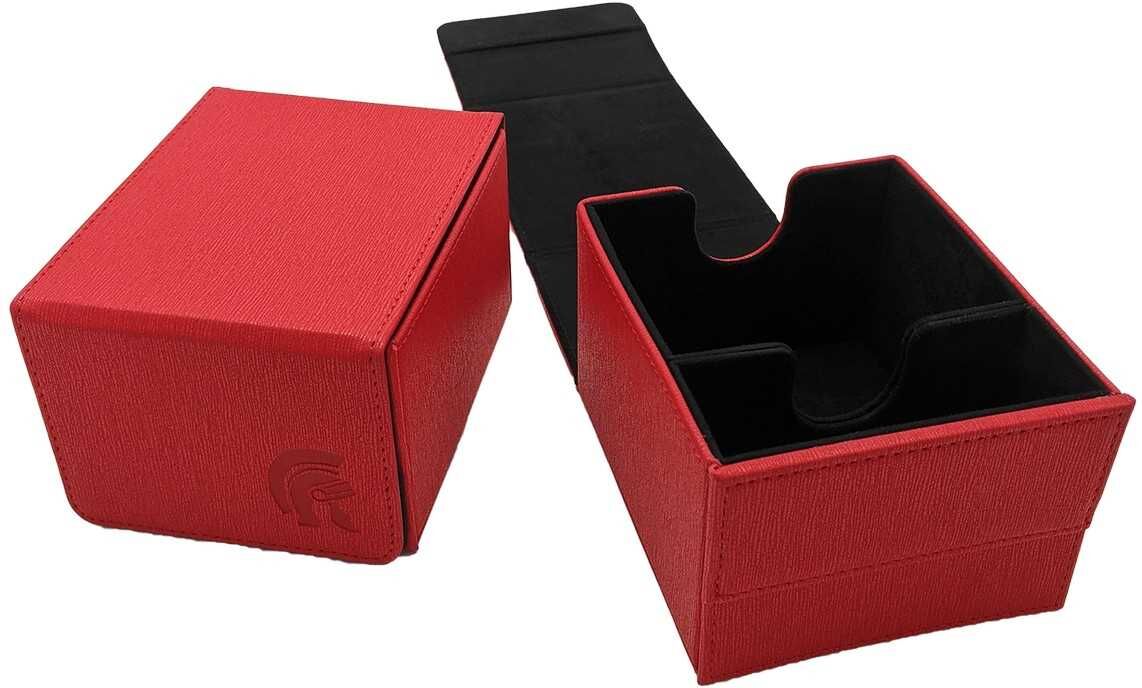
Legion Supplies Legion Sentinel Deck Box 80 - Red for Card Game AccessoriesProtect your card collection with the Legion Sentinel Deck Box 80 in red. This compact deck box is designed for trading card games and other standard-sized card collections, keeping your cards together and protected between games. It holds up to 80 double-sleeved cards, making it suitable for organized play and everyday deck storage. The durable textured vinyl exterior is designed for regular handling, while the soft, smooth interior helps prevent snagging on card sleeves. A strong magnetic lid with a stepped closure ensures the box stays shut, and easy-grip cut-outs provide convenient card access. The compact format makes it easy to store and transport your deck, and the red finish makes it easy to identify in a collection. The Legion Sentinel Deck Box 80 is a practical solution for protecting your favorite deck.15,99 £*Shipping: 3,95 £Secure redirect to the provider
-
Legion Supplies Legion Sentinel Deck Box 80 - Green for Card Game AccessoriesProtect your trading-card deck with the Legion Sentinel Deck Box 80 in green. Its durable textured vinyl exterior helps shield cards from everyday knocks, while the soft, smooth interior is designed to be gentle on cards and sleeves. The box holds up to 80 double-sleeved cards, making it suitable for many constructed decks and organised play setups. A magnetic lid with a stepped closure helps keep the box securely shut, while the wraparound design provides protection around the deck. Easy-grip cut-outs at the front make it simpler to remove cards when you're ready to play. The green finish adds a touch of colour to your gaming setup. Made by Legion Supplies, this deck box is a practical accessory for any card game enthusiast.15,99 £*Shipping: 3,95 £Secure redirect to the provider
-
Can someone explain the meaning of monoprotic and polyprotic to me?
Sure! Monoprotic and polyprotic refer to the number of protons that can be donated by an acid. Monoprotic acids can donate one proton, while polyprotic acids can donate more than one proton. For example, hydrochloric acid (HCl) is monoprotic because it can donate one proton, while sulfuric acid (H2SO4) is polyprotic because it can donate two protons. This distinction is important in understanding the behavior and properties of different acids in chemical reactions. **
-
How can I tell if an acid is monoprotic or polyprotic?
You can determine if an acid is monoprotic or polyprotic by looking at its chemical formula. If the formula contains only one hydrogen ion (H+), then the acid is monoprotic. However, if the formula contains more than one hydrogen ion, then the acid is polyprotic. Additionally, you can also look at the acid's chemical structure and its ability to donate multiple hydrogen ions to determine if it is polyprotic. **
-
How do you calculate the concentration of a polyprotic acid through titration?
To calculate the concentration of a polyprotic acid through titration, you would first need to determine the equivalence point of the titration by using an indicator or a pH meter. Then, you would use the volume of titrant (such as a strong base) needed to reach the equivalence point and the known molarity of the titrant to calculate the moles of acid present. Since polyprotic acids can donate multiple protons, you would need to consider the number of moles of protons donated by the acid and the stoichiometry of the acid-base reaction to calculate the concentration of the polyprotic acid. **
-
How can the concentration of a polyprotic acid be determined by titration?
The concentration of a polyprotic acid can be determined by titration using a strong base. Since polyprotic acids can donate multiple protons, the titration curve will have multiple equivalence points, corresponding to the different dissociation steps of the acid. By monitoring the pH during the titration, the inflection points on the curve can be used to calculate the concentration of the acid. The volume of the base required to reach each equivalence point can also be used to determine the molar concentration of the acid. **
* All prices are inclusive of VAT and, if applicable, plus shipping costs. The offer information is based on the details provided by the respective shop and is updated through automated processes. Real-time updates do not occur, so deviations can occur in individual cases. ** Note: Parts of this content were created by AI.