Buy kleinteile.eu ?
We are moving the project
kleinteile.eu .
Are you interested in purchasing the domain
kleinteile.eu ?
domain@kv-gmbh.de · 0541-91531010
Buy kleinteile.eu ?
What do you need for a pool pump and chemical supplies?
For a pool pump, you will need the pump itself, hoses to connect it to the pool, and a power source to operate it. When it comes to chemical supplies, you will need chlorine or other sanitizing chemicals to keep the water clean and balanced, pH testing strips or a testing kit to monitor the water quality, and chemicals to adjust the pH and alkalinity levels as needed. It is also recommended to have safety equipment such as gloves and goggles when handling pool chemicals. **
What is the difference between a house water pump with a centrifugal pump and a house water pump with a piston pump?
A house water pump with a centrifugal pump uses a rotating impeller to create a centrifugal force that pushes the water through the pump and into the plumbing system. This type of pump is typically used for higher flow rates and lower pressure applications. On the other hand, a house water pump with a piston pump uses a reciprocating piston to draw water into the pump and then push it out into the plumbing system. This type of pump is better suited for higher pressure applications and is often used in smaller, more compact systems. **
Similar search terms for Pump
Top-Angebote
Products related to Pump:
-
Compass Accessories 09151 Foot pumpFeatures: with gauge; Supplementary Article / Supplementary Info: with piston; Gauge: with analog display; Pressure to [bar]: 7; Supplementary Article / Supplementary Info Info 2: with pedal; Hose Length [m]: 0,59,99 £*Shipping: 8,45 £Secure redirect to the provider
-
KS TOOLS 120.1050 Pipe Bending EquipmentDiameter [inch]: 1/8, 3/16, 1/4; Diameter: 3,0, 4,75, 6,0; Material: Copper, Brass, Steel Pipe, Tool Steel; Bending Radius up to [°]: 90; Thread Type: with metric thread, with inch thread; Total Length [mm]: 140,0; Weight [g]: 150; Length [mm]: 14020,49 £*Shipping: 8,45 £Secure redirect to the provider




-
Which fuel pump?
The choice of fuel pump depends on the specific requirements of the vehicle and its engine. Factors to consider include the engine's fuel consumption, the vehicle's fuel system pressure requirements, and the compatibility with the vehicle's electrical system. It's important to consult with a professional mechanic or refer to the vehicle's specifications to determine the most suitable fuel pump for the specific application. **
-
Which oxygen pump?
The oxygen pump is a device used to circulate and distribute oxygen in an aquarium or fish tank to ensure that the fish have enough oxygen to breathe. It helps to maintain the proper oxygen levels in the water, which is essential for the health and well-being of the aquatic life. There are different types of oxygen pumps available, such as air pumps, water pumps, and battery-operated pumps, each serving the same purpose of oxygenation in the aquarium. **
-
How do I turn on the circulation pump/heating pump?
To turn on the circulation pump/heating pump, locate the control panel or thermostat for your heating system. Look for a switch or button that specifically controls the pump. Depending on the system, you may need to set the thermostat to a certain temperature to activate the pump. If you are unsure, consult the user manual for your heating system or contact a professional for assistance. **
-
How should the heating pump or circulation pump be set?
The heating pump or circulation pump should be set to a speed that provides efficient and effective circulation of the heated water throughout the system. It is important to find a balance between a speed that is too high, which can lead to excessive energy consumption, and a speed that is too low, which can result in inadequate circulation and inefficient heating. It is recommended to consult the manufacturer's guidelines or seek advice from a professional to determine the optimal setting for the heating pump or circulation pump based on the specific requirements of the heating system. **

Is a lye pump the same as a circulation pump?
No, a lye pump and a circulation pump are not the same. A lye pump is specifically designed to handle the pumping of lye, which is a caustic and corrosive substance used in various industrial processes. On the other hand, a circulation pump is a general term for a pump that is used to circulate a fluid within a system, such as in heating or cooling systems. While both pumps are used to move fluids, they are designed for different purposes and handle different types of substances. **
What are the problems with the heating pump/circulation pump?
The heating pump or circulation pump can experience several problems, including leaks, blockages, and electrical issues. Leaks can occur due to worn seals or gaskets, leading to a loss of water and reduced efficiency. Blockages can restrict the flow of water, causing the pump to work harder and potentially overheat. Electrical issues such as a faulty motor or wiring can also lead to pump failure. Regular maintenance and prompt repairs are essential to prevent these problems and ensure the proper functioning of the heating pump/circulation pump. **
Top-Angebote
Products related to Pump:
-
Compass Accessories 09151 Foot pumpFeatures: with gauge; Supplementary Article / Supplementary Info: with piston; Gauge: with analog display; Pressure to [bar]: 7; Supplementary Article / Supplementary Info Info 2: with pedal; Hose Length [m]: 0,59,99 £*Shipping: 8,45 £Secure redirect to the provider
-
What do you need for a pool pump and chemical supplies?
For a pool pump, you will need the pump itself, hoses to connect it to the pool, and a power source to operate it. When it comes to chemical supplies, you will need chlorine or other sanitizing chemicals to keep the water clean and balanced, pH testing strips or a testing kit to monitor the water quality, and chemicals to adjust the pH and alkalinity levels as needed. It is also recommended to have safety equipment such as gloves and goggles when handling pool chemicals. **
-
What is the difference between a house water pump with a centrifugal pump and a house water pump with a piston pump?
A house water pump with a centrifugal pump uses a rotating impeller to create a centrifugal force that pushes the water through the pump and into the plumbing system. This type of pump is typically used for higher flow rates and lower pressure applications. On the other hand, a house water pump with a piston pump uses a reciprocating piston to draw water into the pump and then push it out into the plumbing system. This type of pump is better suited for higher pressure applications and is often used in smaller, more compact systems. **
-
Which fuel pump?
The choice of fuel pump depends on the specific requirements of the vehicle and its engine. Factors to consider include the engine's fuel consumption, the vehicle's fuel system pressure requirements, and the compatibility with the vehicle's electrical system. It's important to consult with a professional mechanic or refer to the vehicle's specifications to determine the most suitable fuel pump for the specific application. **
-
Which oxygen pump?
The oxygen pump is a device used to circulate and distribute oxygen in an aquarium or fish tank to ensure that the fish have enough oxygen to breathe. It helps to maintain the proper oxygen levels in the water, which is essential for the health and well-being of the aquatic life. There are different types of oxygen pumps available, such as air pumps, water pumps, and battery-operated pumps, each serving the same purpose of oxygenation in the aquarium. **
Similar search terms for Pump
-
KS TOOLS 120.1050 Pipe Bending EquipmentDiameter [inch]: 1/8, 3/16, 1/4; Diameter: 3,0, 4,75, 6,0; Material: Copper, Brass, Steel Pipe, Tool Steel; Bending Radius up to [°]: 90; Thread Type: with metric thread, with inch thread; Total Length [mm]: 140,0; Weight [g]: 150; Length [mm]: 14020,49 £*Shipping: 8,45 £Secure redirect to the provider
-
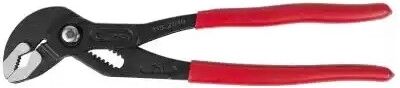
KS TOOLS 115.2012 Pipe Wrench / Water Pump PliersLength 1 [mm]: 300; Tool handle surface: Plastic-coated; Weight [g]: 560; adjustable: adjustable; Colour: black; Width [mm]: 53,0; Clamping Range to [mm]: 55; Material: Chrome Vanadium Steel; Length [inch]: 12; Length 2 [mm]: 3019,99 £*Shipping: 8,45 £Secure redirect to the provider
-
Bathmate HydroXtreme 5 - hydro pump, without accessories (clear)The brand’s most powerful pump range, now supplied as cylinder only, for small to medium sizes.Why is the Bathmate HydroXtreme 5 hydropump a good choice?The HydroXtreme is Bathmate’s most powerful water pump line, featuring a new valve and a detachable hand ball pump. This version includes only the pump itself, without accessories, making it a good choice for anyone who already owns the extras. The detachable ball pump provides precise, hand-controlled suction power. Just a few minutes a day in the bath or shower can make the penis temporarily fuller and harder. The HydroXtreme 5 is designed for small to medium sizes.Why customers like the HydroXtreme 5 hydropumpThe most powerful Bathmate water vacuumDetachable hand ball pump for precise controlNew, reliable valveCylinder only: better price if you already have the accessoriesCan be used in the bath or showerTransparent, durable cylinderWho do we recommend it for?For anyone who already knows the HydroXtreme system and wants to replace just the pump or change size. Recommended for an erect length of 7.5-12.5 cm.Contents of the package1 Bathmate HydroXtreme 5 hydropump (transparent)1 detachable hand ball pumpProduct propertiesBrand: BathmateMaterial: polycarbonate cylinder, silicone gaiterOperation: water-based vacuum, detachable hand ball pumpRecommended size: erect length 7.5-12.5 cmTotal length: 35 cmDiameter: approx. 5.5-6.8 cmColour: transparentPackaging: pump only, no accessoriesRecommended use: max. 15 minutes per 24 hoursImportant points when using the Bathmate HydroXtreme 5 pump:Use for a maximum of 15 minutes at a time; this is also the recommended upper limit within 24 hours.Start with short, 5-minute sessions and gradually get used to the vacuum.Do not overpump: excessive vacuum can cause bruising, tiny burst blood vessels and swelling. If you feel any discomfort, release the valve immediately.Results are gradual and require regular use, and it always works best when used in water or under the shower.Cleaning instructionsAfter use, rinse the cylinder with clean, lukewarm water and allow it to air dry. For stubborn deposits, use the separately available Bathmate cleaning brush. Do not use harsh chemicals or hot water, as these can damage the material.User manual123,92 £*Shipping: 0,00 £Secure redirect to the provider
-
How do I turn on the circulation pump/heating pump?
To turn on the circulation pump/heating pump, locate the control panel or thermostat for your heating system. Look for a switch or button that specifically controls the pump. Depending on the system, you may need to set the thermostat to a certain temperature to activate the pump. If you are unsure, consult the user manual for your heating system or contact a professional for assistance. **
-
How should the heating pump or circulation pump be set?
The heating pump or circulation pump should be set to a speed that provides efficient and effective circulation of the heated water throughout the system. It is important to find a balance between a speed that is too high, which can lead to excessive energy consumption, and a speed that is too low, which can result in inadequate circulation and inefficient heating. It is recommended to consult the manufacturer's guidelines or seek advice from a professional to determine the optimal setting for the heating pump or circulation pump based on the specific requirements of the heating system. **
-
Is a lye pump the same as a circulation pump?
No, a lye pump and a circulation pump are not the same. A lye pump is specifically designed to handle the pumping of lye, which is a caustic and corrosive substance used in various industrial processes. On the other hand, a circulation pump is a general term for a pump that is used to circulate a fluid within a system, such as in heating or cooling systems. While both pumps are used to move fluids, they are designed for different purposes and handle different types of substances. **
-
What are the problems with the heating pump/circulation pump?
The heating pump or circulation pump can experience several problems, including leaks, blockages, and electrical issues. Leaks can occur due to worn seals or gaskets, leading to a loss of water and reduced efficiency. Blockages can restrict the flow of water, causing the pump to work harder and potentially overheat. Electrical issues such as a faulty motor or wiring can also lead to pump failure. Regular maintenance and prompt repairs are essential to prevent these problems and ensure the proper functioning of the heating pump/circulation pump. **
* All prices are inclusive of VAT and, if applicable, plus shipping costs. The offer information is based on the details provided by the respective shop and is updated through automated processes. Real-time updates do not occur, so deviations can occur in individual cases. ** Note: Parts of this content were created by AI.